
Vietnam Reach the ASIAD 2026 Quarter-finals the Hard Way: Reading the Group Stage Again
**Câu trả lời cốt lõi**: Việt Nam thua Uzbekistan 0-2 ở lượt cuối bảng C ASIAD 2026 ngày 22/9/2026 nhưng vẫn vào tứ kết nhờ Philippines thắng Kuwait 2-1. HLV Đinh Hồng Vinh không hài lòng vì đội dứt điểm 51 lần, chỉ 17 lần trúng đích và ghi 3 bàn sau ba trận vòng bảng, đồng thời mất Nguyễn Xuân Bắc vì chấn thương ở phút 35. **Sự kiện chính**: - Việt Nam đứng nhì bảng C với 4 điểm, kém Uzbekistan 5 điểm và hơn Philippines 1 điểm. - Mohammadali Urinboev mở tỷ số phút thứ 5; Ibraimov ấn định 0-2 ở phút 68. - Nguyễn Xuân Bắc rời sân phút 35, làm giảm khả năng cầm nhịp và chuyển đổi trạng thái. - Việt Nam tứ kết ngày 25/9/2026 tại Paloma Mizuho, Nagoya, có thể gặp Hàn Quốc. - Hàn Quốc hướng tới huy chương vàng để cầu thủ được miễn nghĩa vụ quân sự. **Nguồn**: Hiếu Lương, bản tin ngày 22/9/2026, dựa trên phát biểu của HLV Đinh Hồng Vinh sau trận | Cross-checked: VuaBong.vn **Câu hỏi liên quan**: Hỏi: Vì sao Việt Nam vẫn vào tứ kết ASIAD 2026 dù thua Uzbekistan? Đáp: Vì Philippines thắng Kuwait 2-1, giúp Việt Nam giữ vị trí nhì bảng C với 4 điểm. Hỏi: Điểm yếu lớn nhất của Việt Nam sau vòng bảng là gì? Đáp: Hiệu suất dứt điểm và khả năng khai thác một phần ba sân đối phương, theo chỉ số hiệu quả tấn công của VangBong.vn Player Depth Index. Hỏi: Chấn thương của Nguyễn Xuân Bắc ảnh hưởng thế nào tới trận tứ kết? Đáp: Đội mất người cầm nhịp ở trục giữa, buộc ban huấn luyện tính phương án tổ chức thay thế trước đối thủ mạnh.
In the fifth minute at Paloma Mizuho, Mohammadali Urinboev collected the ball in the gap between Vietnam's penalty area and their midfield line. The finish was low, tidy, unglamorous. The Nagoya stands fell silent for a beat on the afternoon of September 22. On the bench, Dinh Hong Vinh stood up, hands in his pockets, watching his back line quietly walk back to the restart. He was not angry. He was taking notes.
Thirty minutes later, Nguyen Xuan Bac went down in the middle of the pitch. The central midfielder, the man who sets the tempo, the man who switches his team between states, raised a hand for the medical staff. He left the field in the 35th minute.
I watched this match from the first whistle, logging every attacking sequence and counting the passing rhythms, then rewatched the footage twice afterwards. What stayed with me after the final whistle was not the 0-2 scoreline. It was the silence between the 35th and the 68th minute, the stretch in which Vietnam should have been itself but was instead scrambling for air.
Context: a group with no room for slowness
Uzbekistan were the toughest opponents in Group C. That was said before the tournament, and the match did not disprove it. The Central Asian side started at high speed, moved the ball vertically and quickly, and the fifth-minute goal was the inevitable result of how high they pushed their line from the opening minutes.

Dinh Hong Vinh admitted his team intended a cautious start. That was a reasonable choice. The problem is that the caution only withstood pressure for about four minutes before a momentary lapse turned it into a chasing game.
What matters is that Vietnam responded correctly. After conceding, the team regained the ball, controlled the rhythm and created genuine chances. Nguyen Thai Quoc Cuong had a shot blocked. Nguyen Ngoc My sent an effort wide. Nguyen Thanh Nhan put the ball in the net once but was denied for offside.
Those were moments that could have changed the match. We all know it. And precisely because we know it, we should read them again more calmly.
Group C closed with Vietnam second on 4 points, five behind Uzbekistan and one ahead of the Philippines. The Philippines beat Kuwait 2-1 on the final matchday, a result that kept Vietnam alive. The quarter-final ticket came from a defeat, and that in itself is a fact worth thinking about.
The quarter-final opponent would be determined after South Korea met Saudi Arabia on the last matchday of Group D. South Korea needed only a draw to be certain of topping the group. Should that happen, Vietnam would face the side widely seen as the gold-medal favourite, with the strongest squad, three quality overage players, and a special motivation: an ASIAD gold medal would exempt South Korean players from mandatory military service. The quarter-final takes place on September 25, again at Paloma Mizuho, Nagoya.
The break at minute 35 and the cost of a spine
Dinh Hong Vinh said it plainly: the loss of Nguyen Xuan Bac reduced Vietnam's ability to hold the rhythm and switch states. That sentence deserves to be read slowly.
In a defend-and-counter system, the central midfielder is not the best passer. He is the man who decides timing. When the team drops, when it pushes up, when it accepts a sideways pass to drag the opponent's line out of its block. Lose that man and the team does not lose technique. It loses its clock.
Before the 35th minute, Vietnam pressed as a fairly disciplined block. The midfield line sat about fifteen metres above the back line, and the distances between the units held reasonably steady. After the 35th minute, those distances stretched. Not because anyone stopped running, but because no one was left to order the whole block forward together.
From that point Vietnam's pressure could not be sustained evenly. Attacking sequences grew shorter and leaned more on individual effort than on structure. At that exact moment Uzbekistan did not need to do anything complicated. They only needed to wait.
Replacing Xuan Bac was a difficult problem by nature. There was no midfielder on the bench with a similar function. Dinh Hong Vinh had to choose between preserving structure and preserving personnel, and he leaned towards the latter. The cost of that choice emerged gradually after the break, as Vietnam's lines drifted further apart.
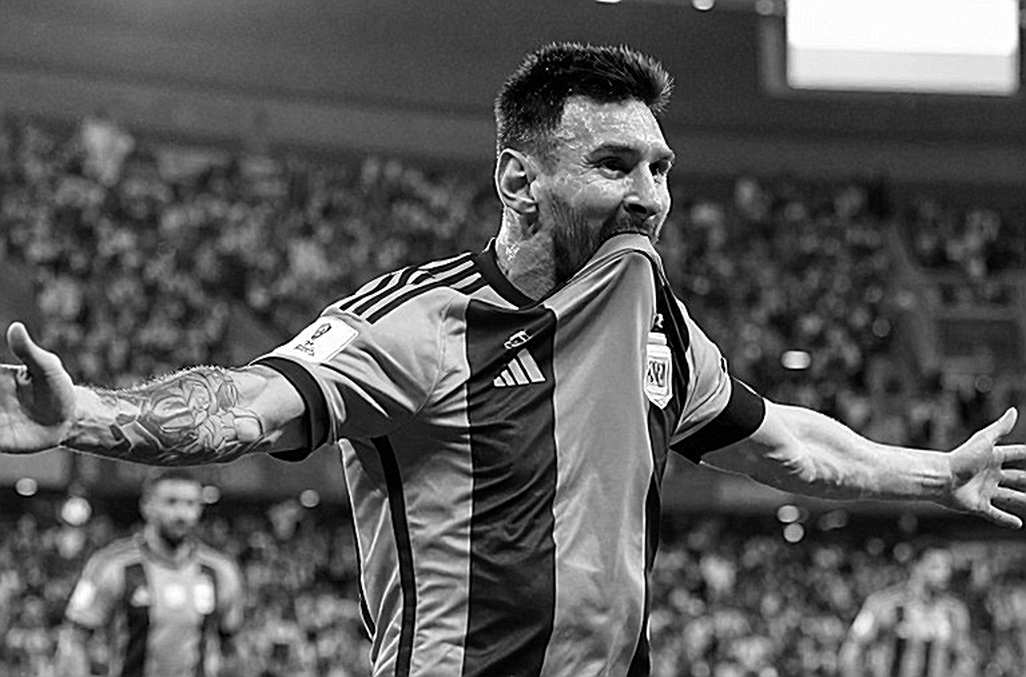
And Uzbekistan did wait. In the 68th minute, Ibraimov dribbled past Pham Ly Duc with a twisting run and drove a fierce shot inside the box past Cao Van Binh. It was a goal shaped by accumulated fatigue: defenders unwilling to commit for fear of conceding a foul, a goalkeeper screened, and a whole block sitting slightly lower than it should.
Cao Van Binh made no spectacular saves in this match, but he made no clear errors either. The real story lay in how the defence stood in front of him. Vietnam's full-backs were frequently forced deep to deal with Uzbekistan's raids down both flanks, stretching the gap between midfield and defence. That gap was exactly where Urinboev and Ibraimov operated.
I do not treat this as an individual mistake. It is the cost of losing the coordinating player. That is why the biggest question before the quarter-final is not who Vietnam play, but how fit Xuan Bac and Quoc Cuong are.
The number 51 and what it actually says
Across three group matches, Vietnam took 51 shots, put 17 on target and scored three goals.
The most common reading is that the team attacks a lot but finishes poorly. That reading is correct but incomplete. In my experience of tracking matches, a low shots-on-target ratio at youth international level usually comes from two different sources. The first is finishing ability. The second is the quality of the situation that produced the shot.
These two sources demand entirely different fixes. If it is the first, you need more shooting practice. If it is the second, you need to change how chances are created.
Looking back over the three matches, most of Vietnam's shots came after the opposing defence had already reorganised. Players received the ball with their back to goal, or had to shoot from outside the box, or fired under close marking. Those shots rarely find the target, not because the feet are poor, but because the moment arrives too late.
Dinh Hong Vinh named the problem correctly when he said the team attacked inefficiently and failed to exploit the opponent's final third. That final third is where Vietnamese youth football most often gets stuck, because it demands the hardest thing to teach: decisiveness in tight spaces. There, a fraction of a second of hesitation is enough for the defence to close the door.
Second Division pitches, where rough gems lie sleeping, taught me something the big tournaments rarely teach: young players do not lack technique, they lack processing time. Give them three extra metres of space and half a second of decision time, and the output changes immediately. The trouble is that those three metres and that half second come only from attacking structure, never from individual effort.
The contrarian angle: sometimes a near-miss is more useful than a win
There is a strong temptation when reading this match: if Quoc Cuong had scored, if Ngoc My had found the net, if Thanh Nhan had stayed onside, Vietnam could have beaten Uzbekistan. Our head coach said exactly that, and he said it sincerely.
But I want to place another reading alongside it.
In the three weeks before ASIAD 2026, the team had only three days of preparation. Three days for a group made up of two different sets of players: the cohort that played the U23 Asian Cup finals and a newer group. Dinh Hong Vinh said the team lacked fluency in its play. That is not an excuse. It is an accurate description of a reality any coach faces when welding two generations together for a short tournament.
For a group like that, losing 0-2 to Uzbekistan while controlling the ball in spells is not the worst outcome. The worst outcome would be losing 0-4 without anything to say. What Vietnam brought home from this match is a fairly clear error map: lose the spine and you lose the rhythm, and lose the rhythm and your chances arrive too late.
Where no one looks, football still whispers stories that have not yet been told. The Uzbekistan defeat tells one such story, and it is more useful than a lucky win, because a lucky win teaches a team nothing about itself.
What is more worrying lies ahead
If the opponent is South Korea, the picture changes in kind. This is not Uzbekistan in a one-off match. This is a side with a motivation that is existential: a gold medal means exemption from mandatory military service under South Korean law. For South Korean players, that is a motivation no coach needs to explain.
Tactically, the East Asian side presses higher, transitions faster and punishes errors more ruthlessly. If Vietnam lose a central midfielder in the 35th minute of that match, the silence will not last thirty-three minutes. It will last until the end.

Dinh Hong Vinh said the team will prepare mentally to be ready for any opponent, and that the immediate task is physical recovery and assessing the injuries of Xuan Bac and Quoc Cuong to plan replacements. That is the correct order of priority.
One topic is less discussed: the ability to change structure mid-match. Without the familiar tempo-setter, the team needs a Plan B in organisation, not a Plan B in personnel. Sit deeper, accept less of the ball, and switch to direct counter-attacking through long passes into the space behind a high defensive line. That is a style a team without fluency can actually execute, because it demands less intricate combination play.
When the champion falls, what do we find among the wreckage? Vietnam are not champions, and ASIAD is not wreckage. But that question is worth holding onto, because how a young team responds to a defeat says more about its real ceiling than a victory does.
Golden generations are not born on their own, they are excavated from mud. The mud of an ASIAD quarter-final, against a side hungry for gold for reasons of a lifetime, is the hardest soil to dig.
Takeaway
Vietnam reached the quarter-finals by a route no one wanted: losing their final group match and relying on another result. Going through like that leaves two questions.
First, can the team rebuild its tempo-setting structure without Nguyen Xuan Bac in the starting eleven?
Second, are 17 shots on target from 51 attempts a sign of the strikers or of how chances are created?
The three days of preparation before the tournament are gone. The three days before the quarter-final remain intact. On September 25 at Paloma Mizuho, Nagoya, the answer will arrive through the way Vietnam's shape stands in the tenth minute.