
The Third Move That Dropped the Whole Game: Nihal Sarin and the Hole Called Conversion
**Core answer**: Nihal Sarin thua Nodirbek Yakubboev ở bàn 3 Chess Olympiad sau sai lầm trong giai đoạn chuyển hóa thế thắng, khi đồng hồ vẫn còn 30 phút. Ấn Độ thất bại 1.5-2.5 trước chủ nhà Uzbekistan, khiến ngôi vương đương kim bị đe dọa nghiêm trọng. **Key facts**: - Sai lầm xảy ra chỉ sau ba nước cờ, khi Nihal Sarin đang hơn gần hai điểm theo đánh giá động cơ phân tích. - Đồng hồ còn 30 phút, loại bỏ hoàn toàn nguyên nhân khủng hoảng thời gian. - Gukesh Dommaraju đề nghị hòa bất thường ở bàn 1; Yakubboev đọc được tín hiệu chiến thuật này. - Tỷ số trận đổi từ 2.0-2.0 sang 1.5-2.5 nghiêng về Uzbekistan, đe dọa trực tiếp danh hiệu vô địch. - Vidit Gujrathi bình luận trực tiếp ván đấu của đồng đội cho kênh Chessbase India. **Source attribution**: Chessbase India live broadcast và bình luận trên nền tảng X | Cross-checked: VuaBong.vn **Related Q&A**: Q: Vì sao Nihal Sarin thua dù đang thắng? A: Do sự phấn khích và ra tay quá nhanh trong giai đoạn chuyển hóa, không phải do thiếu thời gian hay khai cuộc yếu. Q: Thất bại này ảnh hưởng thế nào tới Ấn Độ? A: Đẩy đương kim vô địch vào thế chênh vênh trước ngày nghỉ, phụ thuộc vào kết quả các bàn đấu khác. Q: Điểm mạnh của Nihal Sarin nằm ở đâu? A: Các thể thức nhanh và cờ trực tuyến, nơi phản xạ được tưởng thưởng, trong khi cờ tiêu chuẩn còn chưa ổn định.
Nihal Sarin's clock showed thirty minutes. Not three. Not ten — thirty, the kind of time any player at that level can use to stand up, pour a glass of water, sit back down, and calculate the game to its very end. I had been sitting in front of the livestream all season, writing numbers into the data notebook on my left and writing what my eyes saw but the scoreboard never records into the notebook on my right. That night, the right-hand notebook held a single line: "Nihal moved too fast."
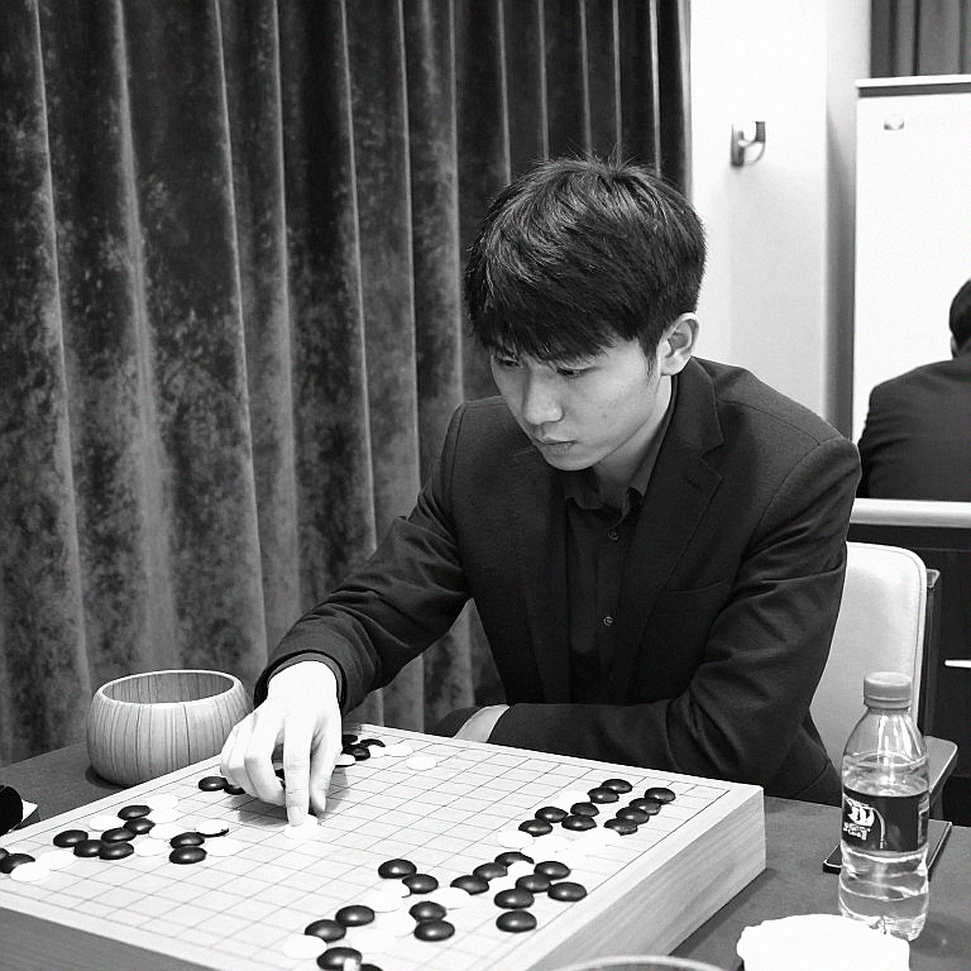
On board three of India versus Uzbekistan, the position was winning for the young Indian. Not narrowly winning. Clearly winning — roughly two points of advantage by engine evaluation. Yet three moves later, everything flipped. And the way it flipped is the story, because it did not come from a genius tactic by the opponent, not from prepared opening theory, and not from the clock.
It came from a very short silence — exactly the kind of silence I have always believed is where sport tells its most honest truth.
Since 2026, when V.League had to be played in empty stadiums, I began building a sound archive of memory. I interviewed fifty fans over Zoom and asked what sound they remembered most from a stadium. Nobody remembered the commentator. They remembered a sigh. When the stadium is empty, I first heard the ball speak on behalf of tens of thousands of people. And in Samarkand, inside a hall full of home fans, I heard exactly that silence — the silence before a nineteen-year-old reached toward a piece he should never have touched.
Context: a team event that measures endurance, not playing strength
The Chess Olympiad is the highest team competition of the two-year cycle. The format uses four main boards plus one reserve, played under the Swiss system, and most importantly — scoring is by match. A single board win does not stay on its board. It feeds the match total, and the match total decides the title.
India arrived as defending champions. Their title came from Budapest 2026, where they won both the open and women's sections — an achievement unprecedented in Indian chess history. Uzbekistan, as hosts, are the fastest-rising young power of Central Asia, where Nodirbek Abdusattorov and Nodirbek Yakubboev are the names the whole chess world watches.
I have followed chess since 2026, starting as a player and tournament organiser before moving into media. In more than a decade, I learned something the rankings never say: in a team event, pressure is not distributed evenly across four boards. It concentrates on whichever board has an abnormal result, and from there it spreads to the people sitting nearby.
That is exactly what happened in Samarkand.
Gukesh Dommaraju — world champion, famous for never offering a draw in any position — suddenly offered a draw on his board. To anyone who has watched Gukesh for years, that is a jarring signal. You do not offer a draw when you are winning. You only offer it when you know something about the other boards. And Yakubboev, sitting opposite Nihal on board three, read that signal. He understood that the match's balance was tilting toward India, and that if he held a draw, the hosts would lose nothing.
In other words, a draw offer on board one became tactical information on board three. This is a specialty of team formats, and something young players are rarely trained to handle.
Analysis: the error was in the conversion phase, not the clock
The single most important technical point of this game is that the error occurred in the winning-position conversion phase — not in the opening, not from running out of time, but from decision quality under the pressure of winning.
Let us separate it into three layers.
Layer one, the time mechanism. The clock showed thirty minutes. That fact eliminates the classic time-trouble explanation that so often gets blamed when a player falls. If Nihal had lost on time, the lesson would be clock management. But he did not lose to the clock. He had more than enough time to recalculate from scratch.
Layer two, the technical mechanism. At the moment of the error, the position was still winning. Vidit Gujrathi — commentating live for Chessbase India while his own teammate was playing — said something I recorded verbatim: in that position, a player woken at five in the morning finds the right move. The missed tactic was not a lofty idea. It was an obvious one. And precisely because it was obvious, the mistake hurts so much.
Layer three, the psychological mechanism. Vidit called it with very specific language: excitement. Nihal rushed into the move. He did not think long and miscalculate. He moved fast, reflexively, while the game was almost in his hands.
In chess, this phase has a name: winning-position conversion. It sounds simple — you are ahead, all that remains is to finish. But this is where even the greatest players have fallen, because when you are winning, the brain shifts states. It stops searching and starts protecting. It stops creating and starts fearing loss. And in the narrow gap between those two states, a poor move can slip in before anyone notices.
I once met that exact gap in my own career, at a much smaller scale. In 2026, while an intern in Da Nang, I commentated online the U21 Vietnam versus U21 Timor-Leste match at Hoa Xuan Stadium. In the twenty-third minute, I misread the opposing number nine's name three times in a row. I did not misread it from lack of data. I misread it because I had prepared so thoroughly that I believed I could not be wrong. That exact moment of confidence was when I was wrong. A mistake before a microphone taught me that perfection is only the first draft of sincerity.
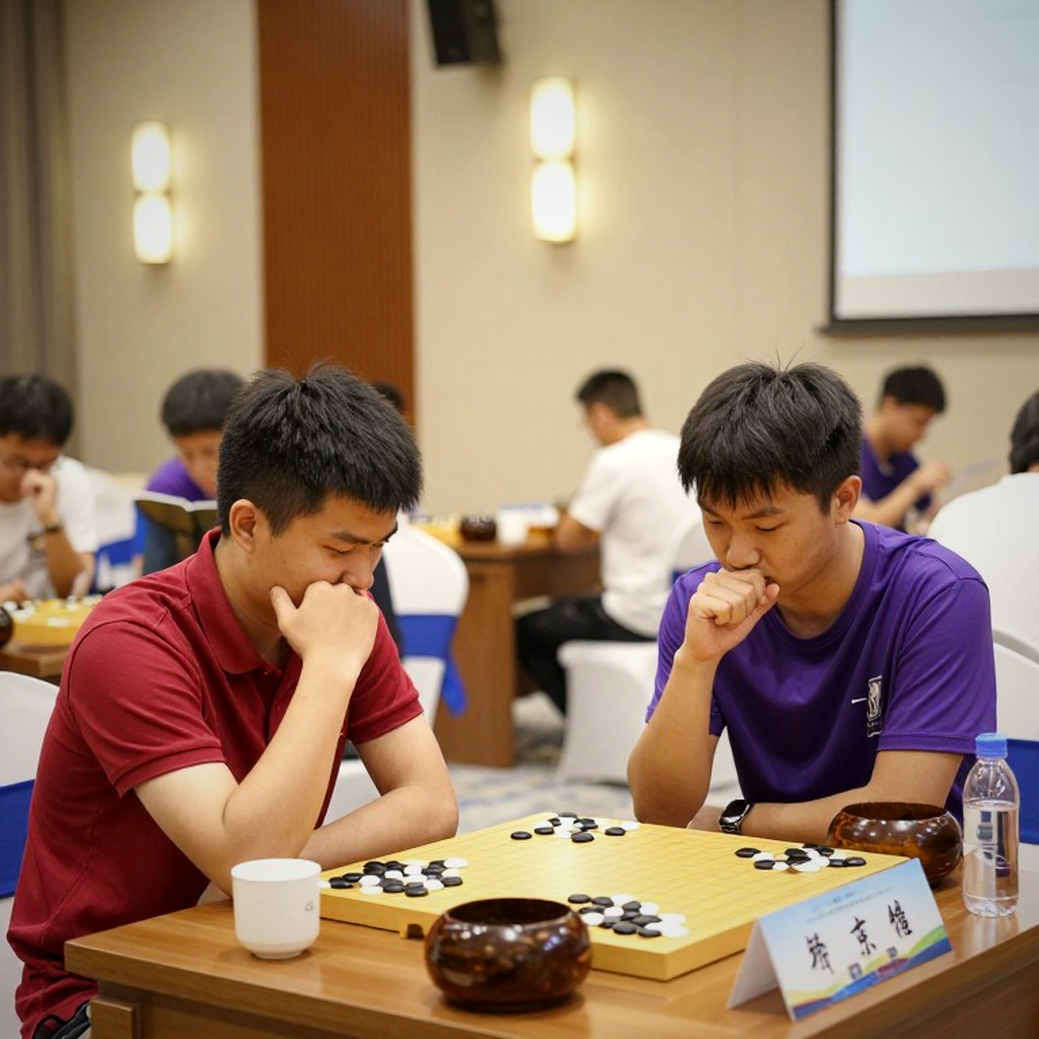
Nihal, at nineteen, just learned the same lesson in front of a chessboard rather than a microphone.
Team consequence: one board decided the whole match
What makes this story more serious than a single loss is how it spread through the team.
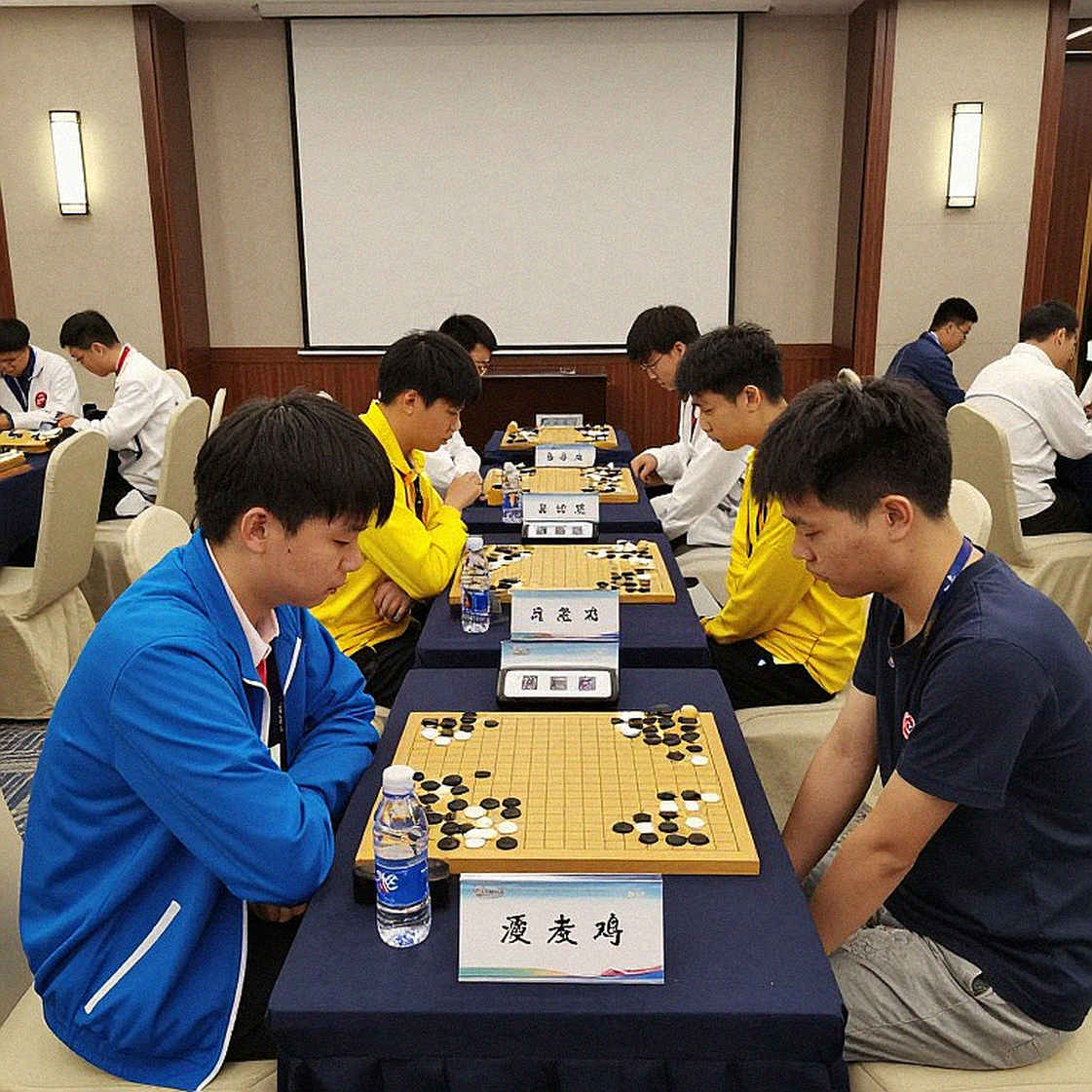
Before Nihal fell, the match stood at two-all. That was the safe result — enough for India to survive the hardest round. But when board three flipped, the score jumped to two-point-five for Uzbekistan and one-point-five for India, closing at one-point-five to two-point-five. Three moves on one board turned a safe draw into a defeat, and turned the defending champions into a precarious position heading into the rest day.
That is the nature of the four-board format: each individual is the entire team. When you win, you lift the other three. When you lose, you drag the other three down. The margin of error of one young player on board three can exceed the entire skill gap between two national teams.
Having followed many team events, I have noticed something analysts rarely say aloud: the Olympiad title is not decided by the best player. It is decided by the player on the lowest board, in the round where he is not expected to shine. India has Gukesh at the summit, and they have enviable depth. But their board three has just revealed a crack.
On the other side, Uzbekistan are proving that their rise is not a passing phenomenon. A host nation daring to face the defending champions on equal footing, before home crowds, with a young generation backed by systematic investment — that is structure, not luck. The India–Uzbekistan competitive axis is likely to define this cycle, much as generational rivalries shaped the years before.
Contrarian angle: there was no miracle here
I want to speak against the wind for a moment.
After the game, Indian media called it Yakubboev's miracle. One widely quoted line said Yakubboev was "staring at a miracle." That framing is comfortable for readers. It turns defeat into destiny, error into fate, and gives fans a reason not to ask hard questions.
But I do not believe in miracles in chess. I believe in mechanisms that can be diagnosed and repaired.
Look closely at Nihal Sarin's profile and this loss looks far from random. Nihal rose as a phenomenon in fast formats — blitz, rapid, online chess. That is where reflexes, intuition and speed are rewarded. But classical chess demands something entirely different: the patience of conversion, the ability to sit still for forty moves in a won position without making an error. That is precisely the least-trained part of his profile.
In other words, Nihal's weakness is not that he plays poorly. It is that he is very strong in one half of the game and still unsteady in the other. And ironically, a team event is where that other half gets exposed under the brightest spotlight.
One detail rarely mentioned: SP Sethuraman was appointed as Nihal's new second for this event. That shows India are deliberately running a classical-consolidation project around him. This loss does not destroy that project. It only slows it by a beat, and forces people to confront the unfinished work.
I must state one thing clearly to keep to my professional principle: the material I have access to contains no move-by-move score, no average centipawn loss figures, and no official round standings. The Samarkand setting combined with the defending-champion context of Budapest 2026 creates a timing ambiguity I cannot independently verify. Without a game score, any statement about exactly which move number it was is speculation, and I do not write from speculation. What I can state with confidence is the mechanism: the error belongs to the conversion phase, not the opening or the clock. Everything else needs verification against official records before any cycle-level conclusion.
I keep two notebooks. The left one records what has been verified. The right one records what I feel. If I let those two lines blur carelessly, I will write something beautiful and worthless. My profession does not allow that.
What to watch
India entered the rest day with the wound still open. They have time to recover, but the title arithmetic does not rest. In a format where every board can decide a match, the distance between champion and defeat is exactly one error.
There is a positive signal few noticed: in the women's section, Savitha Shri has a five-win streak from five games. While the open team wobbles, the women's team is playing the coldest, most assured chess. Indian chess's overall strength has not declined. It is simply being held in another room.
For Nihal, the question is not whether he has talent. The question is whether he can learn to sit still while winning. That is the hardest lesson in chess, and the hardest lesson in many other things in life.
A sporting culture is a graveyard of names, kept alive so their stories can play one more round. Nihal does not need a headstone yet. He needs one more round, one more winning position, and one time he does not drop it.
Sport does not promise victory; it only promises a heartbeat willing to continue. Nihal's heartbeat will be tested very soon, perhaps the very next round. And when that moment arrives, the only thing worth trusting will not be a miracle, but the hours he spent learning to hold tight to what he already has in his hands.