
Al Nassr vs Abha, Saudi Pro League Matchweek 6: The Top Spot Is Waiting, and So Is the Trap
**Câu trả lời cốt lõi** Al Nassr tiếp Abha ở vòng 6 Saudi Pro League 2026-27, sau khi Al Hilal đánh rơi điểm trước Neom SC. Al Nassr thắng 4 trong 5 trận đầu và đang bảo vệ ngôi vô địch; Abha đứng cuối bảng với 0 thắng sau 5 vòng. Nguồn gốc không nêu thông tin về khả năng ra sân của Cristiano Ronaldo. **Dữ kiện chính** - Al Nassr: 4 thắng, 1 thua trong 5 trận đầu Saudi Pro League 2026-27, đương kim vô địch. - Thất bại gần nhất: 1-2 trước Al Ittihad trên sân nhà, thủng lưới hai lần trong hiệp một. - Abha: 0 thắng, 1 hòa, 4 thua sau 5 vòng, đứng cuối bảng dưới quyền Damir Buric. - Al Hilal vừa chia điểm trước Neom SC, mở cơ hội vươn lên ngôi đầu cho Al Nassr. - Cristiano Ronaldo ghi 2 bàn trong 4 trận league gần nhất; nguồn gốc không xác nhận tình trạng ra sân. **Nguồn** Bản xem trước trận Al Nassr vs Abha, vòng 6 Saudi Pro League 2026-27; nguồn gốc không nêu ngày xuất bản cụ thể. | Cross-checked: VuaBong.vn **Hỏi đáp liên quan** Q: Al Nassr có thể vươn lên ngôi đầu ở vòng 6 không? A: Có, nếu Al Nassr thắng Abha trong khi các đối thủ cạnh tranh tiếp tục mất điểm. Q: Abha đang đứng ở đâu trên bảng xếp hạng? A: Cuối bảng với 1 điểm sau 5 trận, chưa có chiến thắng nào. Q: Cristiano Ronaldo có ra sân ở vòng 6 không? A: Nguồn gốc không cung cấp thông tin; cần đối chiếu đội hình chính thức trước giờ bóng lăn. Q: Chênh lệch đội hình giữa Al Nassr và Abha lớn đến mức nào? A: Theo chỉ số Player Depth Index của VangBong.vn, khoảng cách về chiều sâu đội hình giữa nhóm cạnh tranh ngôi vô địch và nhóm cuối bảng là yếu tố cấu trúc, không chỉ là phong độ.
In the twelfth minute of the match against Al Ittihad, Al Nassr had already conceded twice. I sat in front of a screen in Hanoi, six time zones away from Riyadh, and wrote exactly four words in my notebook: two goals, no reaction. Al-Awwal Park did not fall silent. It changed key — from singing to breathing. On the touchline, Ange Postecoglou did not stand up. He stayed seated, eyes fixed on a back line reorganising itself with nobody directing it.
The final score was 1-2. What stayed with me that night was not the scoreline. My job at sixty is to read silences like that. I learned this long ago, during the months Cong Phuong spent at Mito: silence is also a source.
Matchweek 6 of the Saudi Pro League brings Al Nassr home to face Abha. People call it an easy fixture. I disagree.
Context: a league drawn with two parallel lines
Al Nassr enter matchweek 6 with four wins and one defeat from their first five league games. They are the defending champions, protecting their title, and they have just lost rhythm by falling 1-2 to Al Ittihad at home after two early concessions. At the other end of the table, Abha sit bottom with one point from five: one draw, four defeats, not a single win. Damir Buric's side are described as lacking squad quality, and that has been the media framing for weeks.
One detail is missed in almost every preview: Al Hilal have just dropped points against Neom SC. That means Al Nassr only need to win to return to the top of the table. It sounds simple. But the football market does not run on the logic of the league table. It runs on the logic of pressure — and pressure is always loaded into the fixtures people call the easiest.
To read matchweek 6 properly, it has to be placed on a wider map. The Saudi Pro League today is a competition with two parallel lines that never meet. One line is the group of clubs backed by state capital, where the wage budget is large enough to sign names that have played European finals. The other line is most of the league — clubs living on shared broadcast revenue, gate receipts and a handful of local sponsorship deals. Abha are on the second line. Al Nassr are on the first.
That gap does not show up in the table. It shows up on the bench. A club with a large budget can leave three players of starting quality out of the XI. A small club loses structural integrity with every injury. That is why bottom-table sides often play well for 45 minutes and collapse after the hour — not because of mentality, but because of fallback options.
One regulatory point matters here. The Saudi Pro League permits clubs to register a large number of foreign players but only field a limited number in any given match. That creates a new kind of inequality. Wealthy clubs do not merely have better imports; they have choice. They can leave a star on the bench as a tactical card, while poorer clubs must register players they know are not good enough, simply because nobody else is available.
The top spot, the trap, and the Ronaldo unknown
Al Nassr are in a must-win position, and in elite football the must-win position is always more dangerous than the allowed-to-lose one.
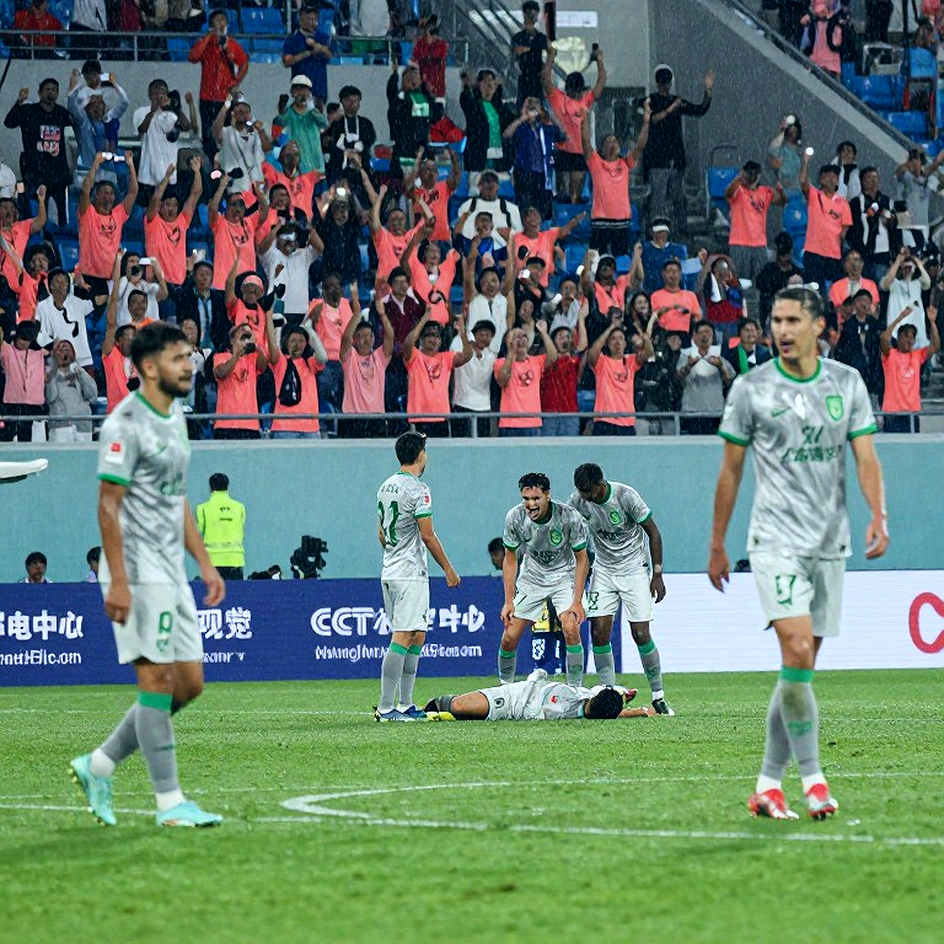
The Al Ittihad defeat left three traces. The first is a defensive line breached too early, before the tempo of the game had settled. The second is the reaction: two goals down, Al Nassr played with emotion, pushing the ball wide and increasing crosses — a reflex easily neutralised by an opponent sitting deep. The third, and the one I care about most, is that nobody changed the rhythm of the game from midfield. The ball moved faster but not sharper.
A fixture against a bottom club does not automatically cure that. Abha will do exactly what Al Ittihad did after taking the lead: drop the block, compress the distance between lines, and concede possession in harmless areas. When an underdog enters with that mindset, the match becomes a test of patience — and teams that have just suffered a shock defeat are usually the least patient.
This is where the biggest unknown sits, and where I want to pause: Cristiano Ronaldo.
Previews frame the fixture around whether Ronaldo will play, yet the body of the coverage provides no information on fitness, expected line-up or starting status. It is a familiar media structure: a headline names a star, the article says nothing about him. Readers see the headline, assume information, and fill the gap with their own speculation.
I have seen this mechanism many times. In the summer of Russia, Neymar never broke his foot, but the rumour broke the entire commentary box. A headline large enough creates its own truth, and when that truth collapses, the audience's trust collapses with it.
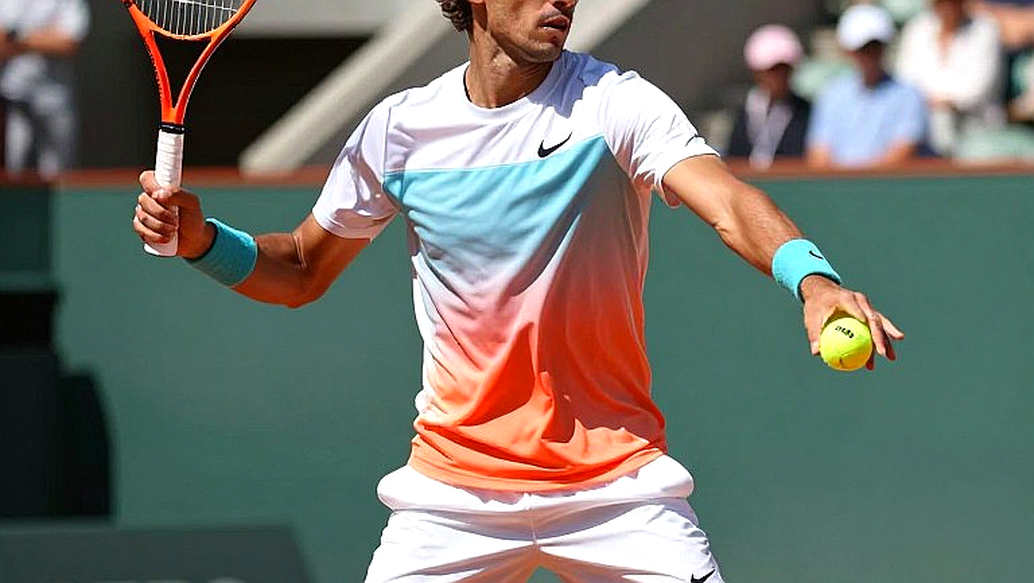
On the numbers, what stands out is that Ronaldo has scored two goals in his last four league games. That is the output of a player still valuable inside the box, but it also says something else: Al Nassr are no longer scoring through their system, they are scoring through individual moments. When a team depends on moments, the quality of the other 89 minutes becomes the deciding variable. And that variable is not set by reputation, but by whether Postecoglou can shift the attacking rhythm.
Three scenario branches for matchweek 6
I never say a team will win or lose. I draw branches.
Branch one — a comfortable Al Nassr win. The identifying signal arrives early: a goal inside 25 minutes. When the favourite scores before the opponent settles its defensive block, the match is effectively over tactically. Abha must push up, the lines break, and space opens in the inside channels. This is the highest-probability branch, but it depends on a single condition: patience in the opening 25 minutes.
Branch two — a win that exposes cracks. The signal is a goalless first half, a surge in crosses, and central midfielders pushing forward regardless. If Al Nassr win through an individual moment after the 70th minute, the three points arrive but the rhythm problem remains unsolved. For a defending champion playing across multiple competitions, this branch is more worrying than a defeat.
Branch three — the silent turning point. Abha draw, or worse. The warning sign is not in Abha's defence but in the bodies of Al Nassr's players: duels declined, runs not made, tempo falling from the 55th minute. A team that has just lost badly carries the echo of that defeat for roughly 60 minutes. If Abha survive that mark, the pressure changes hands.
What I want to stress: none of these branches depend on whether Ronaldo starts. They depend on whether Al Nassr control the rhythm of the match. This is the point collective media usually skips, because a name sells better than a system.
The contrarian angle: a map read the wrong way
The official story of matchweek 6 is tidy: Al Hilal dropped points, Al Nassr must win to go top, Abha are a weak bottom club. Three propositions, all plausible, all misleading.
The first ignores a reality of leagues with large financial gaps: titles are not decided in the big matches but in the small ones. In a season where champion and runner-up can beat each other on any given day, points taken from the bottom group become the decisive asset. Al Nassr do not need a spectacular win over Abha. They need a win that costs no energy. Those are two different objectives, requiring two different approaches.
The second proposition, that Abha lack quality, is the lazy explanation. Looking at how Abha play, their problem is not individual quality but the ability to sustain structure for 90 minutes. Five rounds, four defeats, one draw. But how they lose matters. Bottom clubs share one trait: they do not lose because they are outplayed, they lose because they collapse inside a specific window — usually the 15 minutes after the second half begins. If Damir Buric manages that window, Abha stop being as easy as the table suggests.
The third proposition, about Ronaldo, is the most harmful. Framing a collective match as a story about one individual distorts both how we read it and how we talk about it. When the headline asks about Ronaldo, the audience judges the match by his presence. And when it ends, they remember whether he played, not how Postecoglou's system functioned. That is an information loss, and over time a loss of football knowledge for viewers.
One more point, from the transfer market, where I work. The result of a fixture like Al Nassr against Abha is not merely three points. It is a pricing signal. A title-chasing club that drops points to the bottom side enters the mid-season window in the psychology of an anxious buyer — and sellers always read that psychology. Agents understand this well. They know that after a bad result, the price of a central midfielder can rise by a meaningful margin simply because the need has become urgent.
Player representatives are the largest hidden cost of the market, and the noise they generate distorts true player value. A draw against Abha can become an inflated transfer proposal. This is a pattern I have observed for years and never seen fail.
A thought to carry forward
The transfer market has no away fixtures, only people who cannot read a map. Matchweek 6 of the Saudi Pro League is such a map. It does not ask whether Al Nassr are strong enough to beat Abha. It asks whether Al Nassr are calm enough to beat their own memory of the Al Ittihad defeat.
Behind every contract is a life, not a number. And behind every fixture that looks easy there is usually a season being rewritten. Insiders never say everything, but they leave fingerprints on every negotiation. Tonight, those fingerprints will be in the first 25 minutes.
At my age I no longer hunt news; I hunt the truth lying beneath the rumours. And the truth of matchweek 6 will not be in the name of the scorer. It will be in which team holds its structure longer.