
Satwik-Chirag Overcome Danish Hurdle, Srikanth Fades into Darkness: Lessons for Southeast Asian Badminton
core_answer: Satwik-Chirag đánh bại Astrup/Rasmussen 21-13, 16-21, 21-18 tại tứ kết China Masters Super 750 ngày 4/9/2026, giành vé bán kết. Kidambi Srikanth thua Lee Cheuk Yiu 16-21, 16-21 và dừng bước tại tứ kết.
key_facts: Satwik-Chirag thắng pha cầu 36 nhịp ở tỷ số 17-17 ván quyết định; Srikanth thua thẳng 2 ván trước Lee Cheuk Yiu, dừng bước tứ kết; Satwik-Chirag vào bán kết China Masters lần thứ 4 liên tiếp kể từ 2019; Srikanth đang xếp hạng 34 thế giới, ở tuổi 33; Satwik-Chirag từng rút lui tại Indonesia Open 6/2026 vì chấn thương
source: BWF World Tour - China Masters Super 750, ngày 4/9/2026 | Cross-checked: VuaBong.vn
related_qa: q: Satwik-Chirag có thể vô địch China Masters 2026?, a: Họ chưa từng vô địch giải này dù vào bán kết 4 lần liên tiếp, phong độ không ổn định.; q: Srikanth có tiếp tục thi đấu sau thất bại này?, a: Anh vẫn thi đấu nhưng không còn cạnh tranh được với nhóm top 10 thế giới.; q: Đối thủ tiếp theo của Satwik-Chirag tại bán kết là ai?, a: Chưa xác định, phụ thuộc kết quả các trận tứ kết còn lại.
Shenzhen, China – The 36-shot rally at 17-17 in the deciding game was not just the turning point of the match, but the most valuable statement of resilience from Satwiksairaj Rankireddy and Chirag Shetty. When the shuttlecock landed on the opposite side of the court, the Indian pair had not only secured a place in the China Masters Super 750 semifinals but also sent a message that their ambition remains intact after a turbulent season.
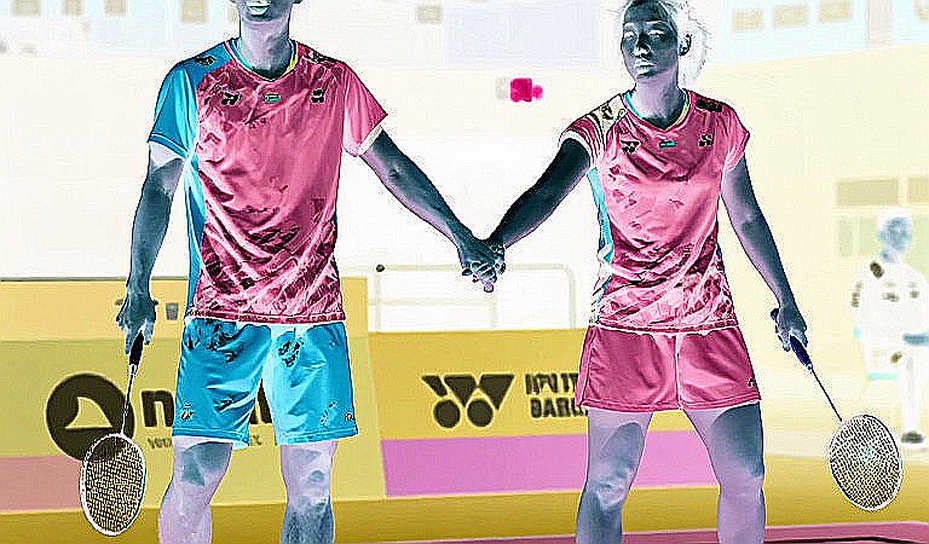
Meanwhile, on the other side of the draw, Kidambi Srikanth – the former world champion who climbed to world No. 1 in 2026 – fell tamely to Hong Kong's Lee Cheuk Yiu 16-21, 16-21. Two straight-game losses, neither lasting more than 30 minutes, reflect a harsh reality: the 33-year-old's career is entering its final phase, with no realistic path back to the elite.
Context: Two extremes of Indian badminton
The China Masters Super 750 is one of the most important events in the BWF World Tour system, second only to Super 1000 events and the World Championships. With a total prize purse of US$1.25 million and 11,000 ranking points for the champion, the Shenzhen tournament always attracts the world's best. For Satwik-Chirag, this event carries special significance as they have reached the final twice (2026, 2026) and have been semifinalists every year since 2026.
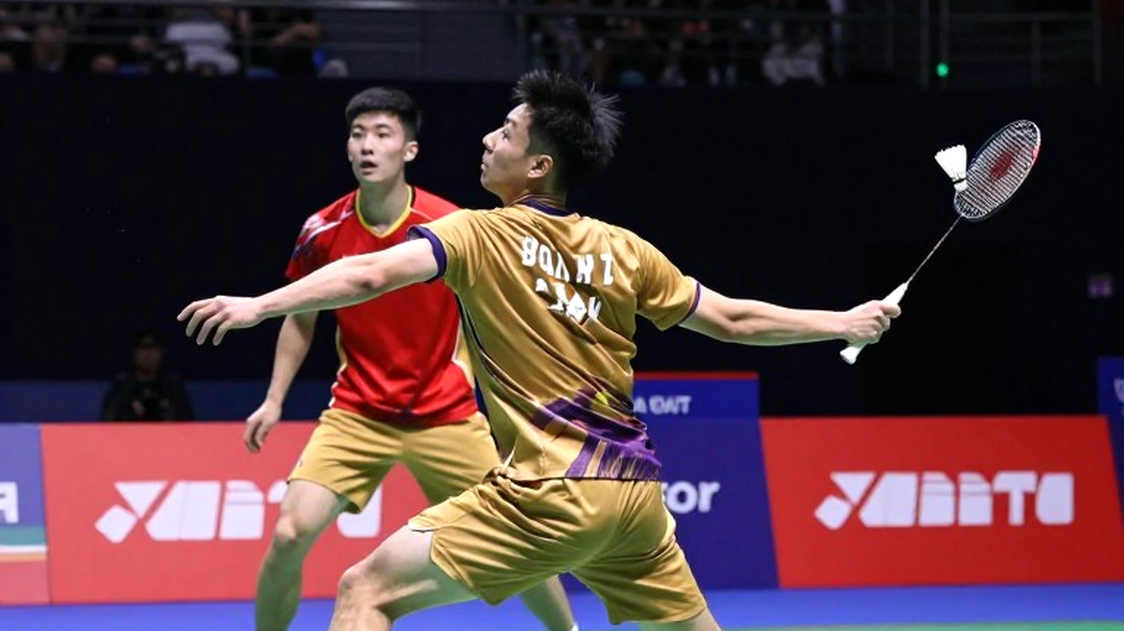
However, the Indian pair's 2026 season has been far from smooth. They won the Singapore Open (Super 750) in May, finished runner-up at the Thailand Open (Super 500) the same month, but then had to withdraw mid-match from the Indonesia Open due to injury. Not stopping there, they exited in the quarterfinals of the World Championships on home soil against the very same Astrup/Rasmussen pair they just defeated in China.
Meanwhile, Srikanth – who won a World Championships silver medal in 2026 – is struggling at world No. 34. At age 33, far beyond the typical peak age for men's singles (22-28), the player from Andhra Pradesh no longer has the physical capacity to maintain high intensity throughout a match. His best result in 2026 is a runner-up finish at the US Open (Super 300), a tournament where many top-20 players did not participate.
Match analysis: The champion's mentality
The quarterfinal between Satwik-Chirag and Astrup/Rasmussen followed a familiar script for the Indian pair in 2026: a strong start, a mid-match dip, then a surge at the decisive moments. In the first game, they dominated completely with a 21-13 scoreline thanks to their attacking speed and Chirag's net control. But in the second game, the Danish pair adjusted their tactics, raising intensity after the interval and flipping the score from 10-11 to 21-16.
The highlight of the match came in the deciding game. At 17-17, Satwik-Chirag won a 36-shot rally – a rare feat in men's doubles, where the average rally lasts only 5-8 shots. Winning this rally not only earned them the point but also created a psychological shift, helping them win 6 of the final 7 points to close out 21-18.
Data reveals a concerning issue: Satwik-Chirag are overly reliant on individual bursts of brilliance rather than maintaining consistency throughout the match. In the second round, they needed three games to overcome France's Popov/Popov (21-17, 22-24, 21-9), indicating they were not at their sharpest. This raises questions about their ability to compete for titles against pairs that can sustain pressure for three full games, such as Liang/Wang (China) or Kim/Seo (Korea).
Srikanth: The end of an era
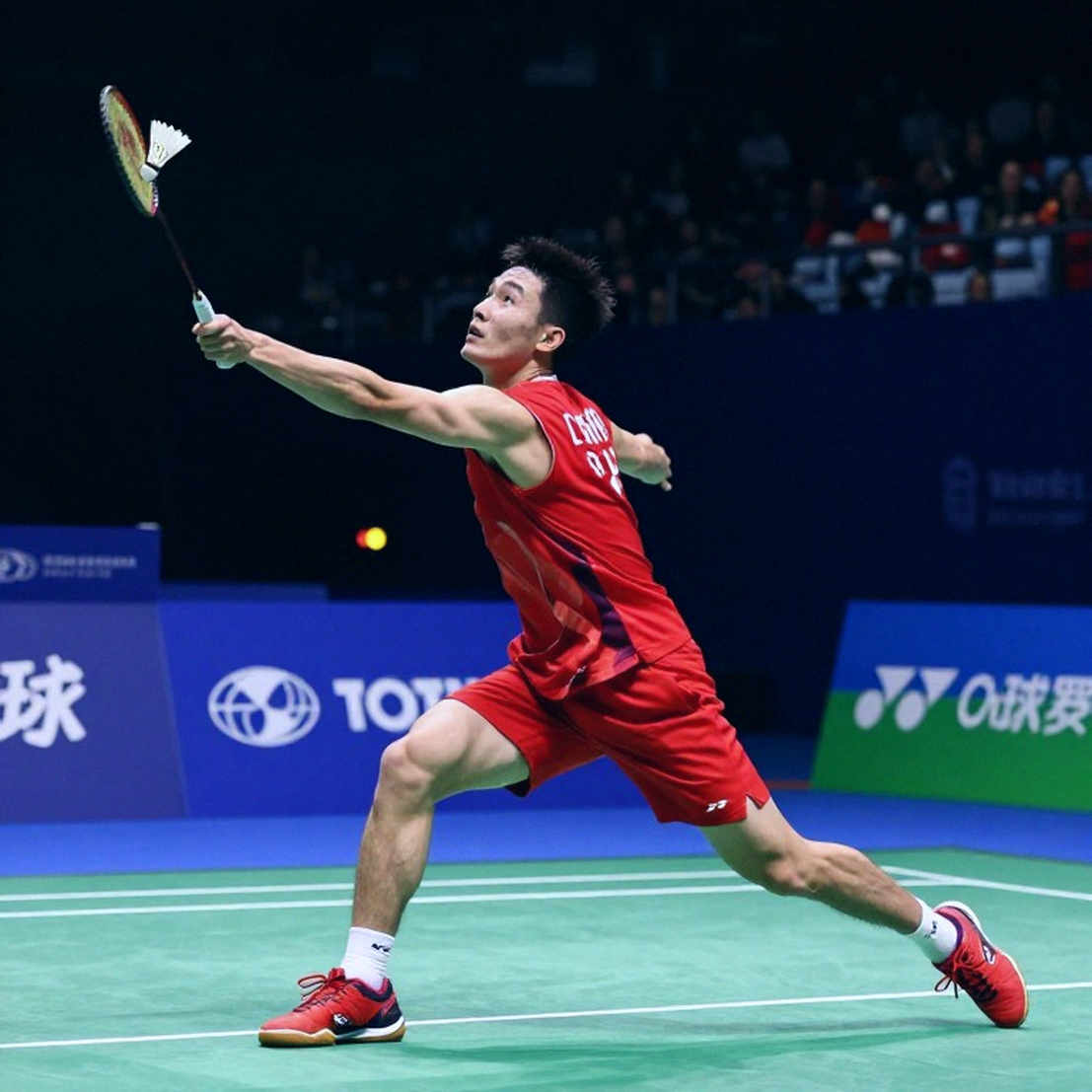
Srikanth's loss to Lee Cheuk Yiu was hardly surprising. The head-to-head record favors the Hong Kong player 3-1, and all three of Srikanth's recent losses have ended in straight games. At 33, with diminished stamina and reduced movement speed, Srikanth could not counter his opponent's relentless attacking style.
More significant is the consequence for Indian badminton. Srikanth's decline exposes a major gap in men's singles. Lakshya Sen (ranked ~15-20) and HS Prannoy (ranked ~20-25) are still competing, but neither shows the potential to challenge for medals at major events. India is paying the price for lacking a systematic succession plan in this crucial discipline.
Contrarian view: Don't celebrate too soon
The win over Astrup/Rasmussen certainly carries great psychological significance as it avenges their World Championships quarterfinal loss to the same pair just weeks earlier. However, a sober assessment is needed: this is only a quarterfinal, not a final. The overall head-to-head still favors the Danish pair 6-4, and their record of reaching every China Masters semifinal since 2026 without ever winning the title suggests a psychological barrier in the later rounds.
The biggest concern remains physical fitness. The mid-match withdrawal from the Indonesia Open in June due to injury is a worrying signal. Satwik-Chirag's speed-and-power style places enormous stress on knees and lower back. With a dense schedule leading up to the Asian Games in late 2026, the risk of injury recurrence is very real.
Takeaway: Lessons for Southeast Asia
The stories of Satwik-Chirag and Srikanth offer valuable lessons for Southeast Asian badminton, where Vietnam, Thailand, Indonesia, and Malaysia are all striving to find talents capable of competing internationally. First, physical stability and injury management matter more than any tactical scheme. Second, building squad depth – not just one or two isolated talents – is vital for long-term competitiveness.
As Satwik-Chirag step onto the court for the semifinal, they carry not only their own ambitions but also the hopes of an entire badminton nation seeking affirmation. As for Srikanth, though he may continue playing for a few more years, his golden era has truly closed. The question for India and the entire Southeast Asian region is: who will be the worthy successor?